



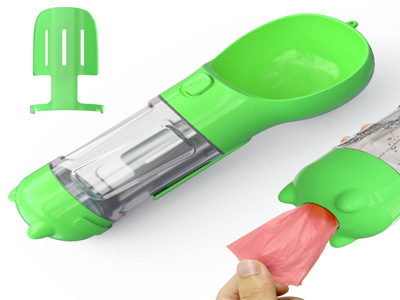
В современном мире, где домашние животные становятся неотъемлемой частью многих семей, их здоровье и благополучие выходят на первый план. Однако, несмотря на всю любовь и заботу, которую мы им оказываем, часто упускается из виду один критически важный аспект – дезинфекция. Игнорирование этого вопроса может привести к серьезным последствиям, поскольку угроза бактерий не просто гипотетическая, а вполне реальная и осязаемая. В этой статье мы подробно рассмотрим, почему дезинфекция для питомцев так важна, какие бактерии представляют наибольшую опасность, как они влияют на здоровье животных и людей, и какие меры можно предпринять для эффективной профилактики. Мы также обсудим распространенные заблуждения, научные основы дезинфекции и практические рекомендации, которые помогут вам сохранить здоровье вашего любимца и всей семьи.
Почему дезинфекция так важна для домашних животных?
Домашние животные, будь то кошки, собаки, птицы или грызуны, постоянно взаимодействуют с окружающей средой, которая кишит микроорганизмами. Бактерии, вирусы, грибки и паразиты – все они могут находиться на поверхностях, в воздухе, на еде и даже на самом животном. Игнорирование дезинфекции создает идеальные условия для размножения этих патогенов, что может привести к инфекциям, заболеваниям и даже летальным исходам. Например, бактерии like Salmonella и E. coli часто передаются через загрязненную воду или пищу, и если не проводить регулярную дезинфекцию мисок и мест кормления, риск заражения значительно возрастает. Кроме того, животные могут переносить бактерии на своей шерсти, лапах или в выделениях, что делает их потенциальными источниками инфекции для других животных и людей. Особенно уязвимы дети, пожилые люди и лица с ослабленным иммунитетом, которые могут серьезно пострадать от таких передач. Поэтому дезинфекция – это не просто гигиеническая процедура, а необходимая мера для предотвращения распространения болезней и обеспечения безопасности всех членов семьи.
Основные бактериальные угрозы для питомцев
Среди множества бактерий, которые могут угрожать здоровью домашних животных, некоторые выделяются особой опасностью. Например, Staphylococcus aureus – бактерия, которая часто вызывает кожные инфекции, абсцессы и даже пневмонию у животных. Если не дезинфицировать раны или места, где животное проводит время, эта бактерия может быстро размножиться и привести к хроническим проблемам. Другой пример – Pasteurella multocida, commonly associated with bite wounds and respiratory infections in cats and dogs. Без proper disinfection, such infections can escalate, requiring expensive veterinary treatments. Additionally, zoonotic bacteria like Campylobacter and Leptospira can be transmitted from animals to humans, causing severe illnesses such as gastroenteritis or leptospirosis. These bacteria thrive in moist environments, so regular disinfection of water bowls, litter boxes, and living areas is crucial. Ignoring these threats not only jeopardizes the pet's health but also poses a public health risk, as outbreaks can occur in multi-pet households or communities.
Как бактерии влияют на здоровье животных и людей?
Влияние бактериальных инфекций на здоровье может быть devastating. For pets, common symptoms include fever, lethargy, loss of appetite, vomiting, diarrhea, and skin lesions. In severe cases, infections can lead to organ failure or death. For instance, urinary tract infections caused by bacteria like E. coli can become chronic if not treated promptly with antibiotics and proper hygiene. Moreover, bacterial infections can weaken the immune system, making animals more susceptible to other diseases. From a human perspective, zoonotic transmissions are a significant concern. Studies show that up to 75% of emerging infectious diseases in humans originate from animals. By neglecting disinfection, pet owners inadvertently increase the risk of cross-contamination, which can result in illnesses ranging from mild skin rashes to life-threatening conditions. Therefore, understanding the bidirectional impact of bacteria emphasizes the necessity of rigorous disinfection practices.
Распространенные заблуждения о дезинфекции питомцев
Многие владельцы животных ошибочно полагают, что обычная уборка или купание достаточно для поддержания гигиены. Однако, cleaning merely removes visible dirt, while disinfection kills harmful microorganisms. Another misconception is that only sick animals require disinfection; in reality, healthy pets can still carry and spread bacteria. Some people also fear that disinfectants are toxic to pets, but with modern, pet-safe products, this risk is minimal when used correctly. Additionally, there's a belief that outdoor animals are less prone to bacterial threats, but они can bring pathogens indoors, necessitating disinfection of entryways and common areas. Debunking these myths is essential for promoting effective disinfection habits.
Научные основы дезинфекции: как это работает?
Дезинфекция involves using chemical or physical agents to destroy or inhibit the growth of pathogenic microorganisms. Common disinfectants include alcohols, chlorhexidine, quaternary ammonium compounds, and hydrogen peroxide, each targeting specific types of bacteria. For example, alcohol-based disinfectants are effective against enveloped viruses and many bacteria by denaturing proteins, while oxidizers like hydrogen peroxide break down cell walls. The efficacy depends on factors such as concentration, contact time, and the surface being treated. Research shows that regular disinfection reduces bacterial loads by up to 99.9%, significantly lowering infection risks. It's important to follow manufacturer instructions and choose products approved for use around pets to avoid adverse effects.
Практические рекомендации по дезинфекции для владельцев питомцев
To implement effective disinfection, start by establishing a routine. Clean and disinfect food and water bowls daily using hot soapy water or a pet-safe disinfectant. For litter boxes, empty and disinfect them at least once a week to prevent bacterial buildup. Regularly wash pet bedding, toys, and grooming tools in hot water or with disinfectant solutions. Pay attention to high-touch areas like floors, crates, and scratching posts. Use environmental disinfectants for surfaces, ensuring they are safe for pets. Additionally, practice good personal hygiene by washing hands after handling animals or their belongings. In case of illnesses, increase disfrequency and consult a veterinarian for specific advice. Investing in quality disinfectants and making it a habit can prevent many health issues.
Заключение: не игнорируйте дезинфекцию – защитите своих любимцев
В заключение, угроза бактерий для домашних животных реальна и不容忽视. Регулярная дезинфекция – это проактивная мера, которая спасает жизни, предотвращает заболевания и обеспечивает безопасную среду для всех. Путем образования, использования надлежащих продуктов и следования рекомендациям, владельцы могут significantly reduce risks. Помните, здоровый питомец – это счастливая семья. Не ждите, пока проблема возникнет; действуйте сейчас для долгосрочного благополучия.
